Camping Tips for Beginners: A First-Time Guide
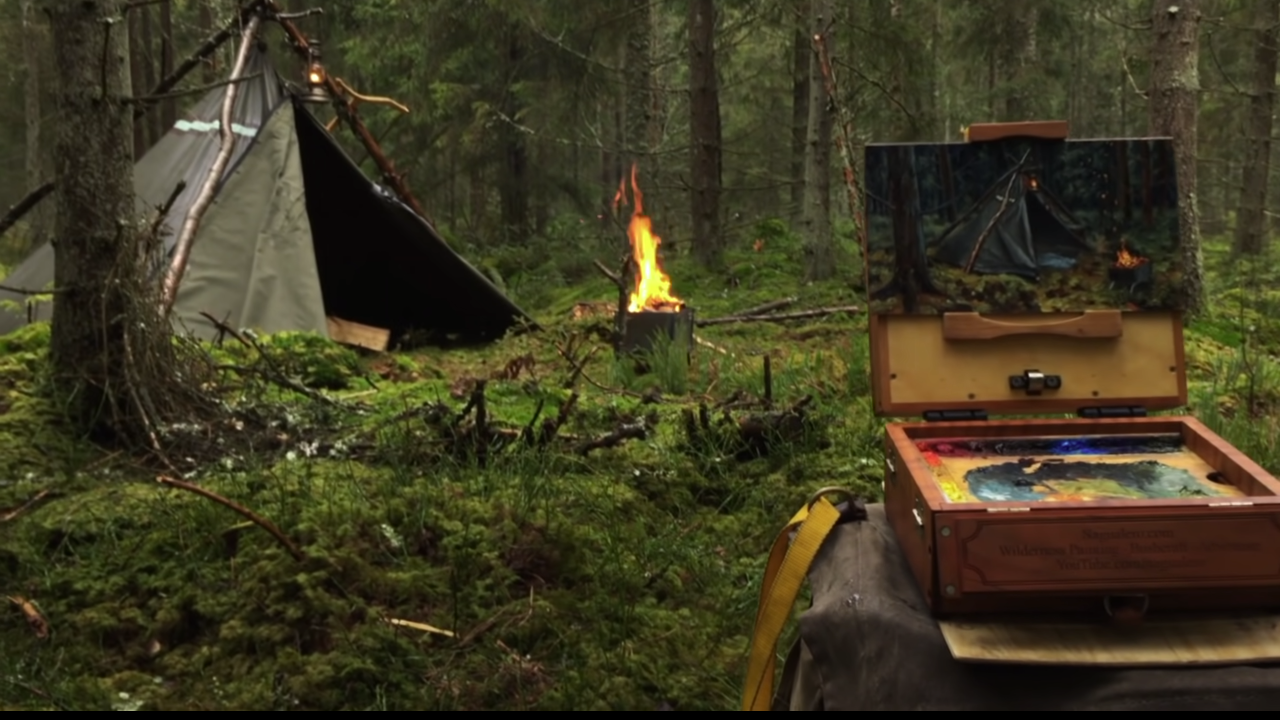
Camping trips offer endless opportunities for adventure, learning, and bonding. By thoughtfully preparing your gear, meals, activities, and safety protocols, you’ll ensure each trip is memorable and enjoyable.
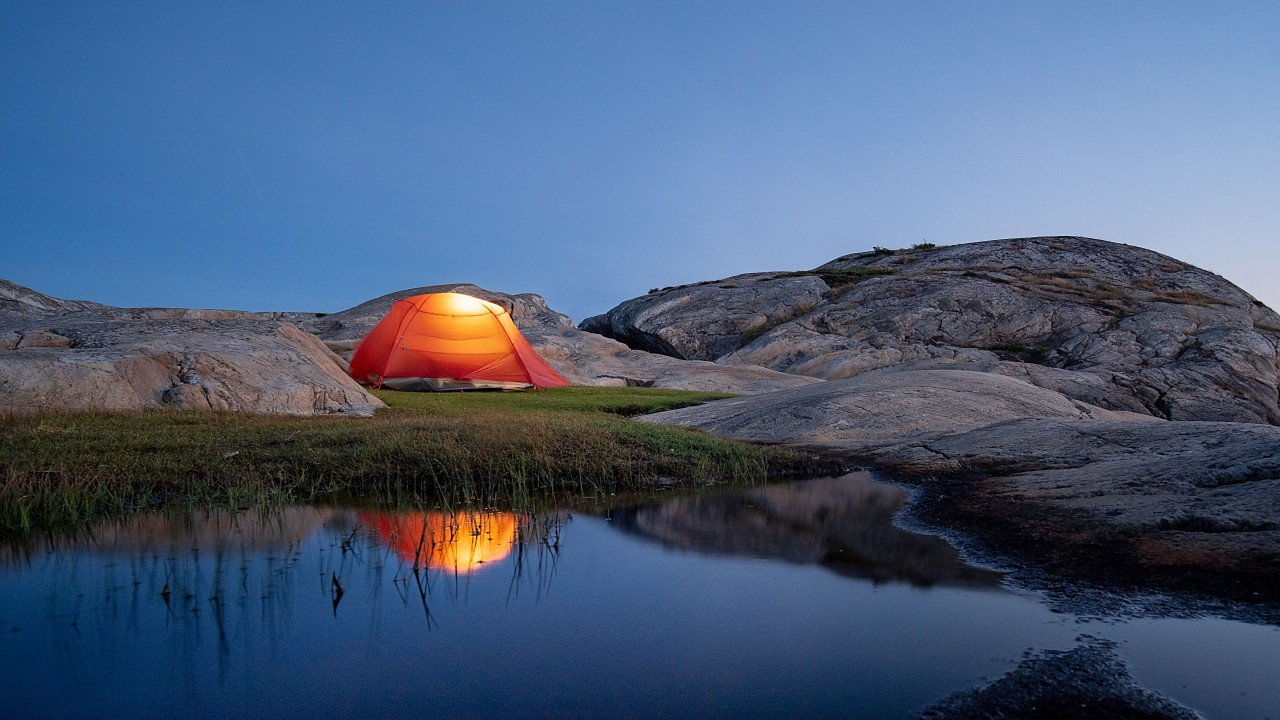
Camping often looks simple from the outside, (a tent, a quiet place, a bonfire and a night under the stars). However, it is more of a planned adventure (location (whether in national park or recreation area), where to sleep, what to pack, what and how to eat), for comfort and safety.
This guide is written for beginner campers (whether you plan to camp close to home or try your first overnight trip while travelling) and it focuses on practical decisions rather than ideal conditions.
Choosing a Simple Camping Setup
One of my biggest early mistakes was choosing complexity instead of keeping it simple. Camping comes in many forms, but not all of them are friendly to beginners.
For a first-time camper, camping where help, easy access to transportation, basic facilities, or assistance are nearby, removes the stress of being fully self-reliant and allows focus on learning basic routines.
The most suitable starting point is a campsite that allows camping to becomes easier when it is treated as a skill to develop and not as a challenge to conquer.
Choosing the Perfect Campsites
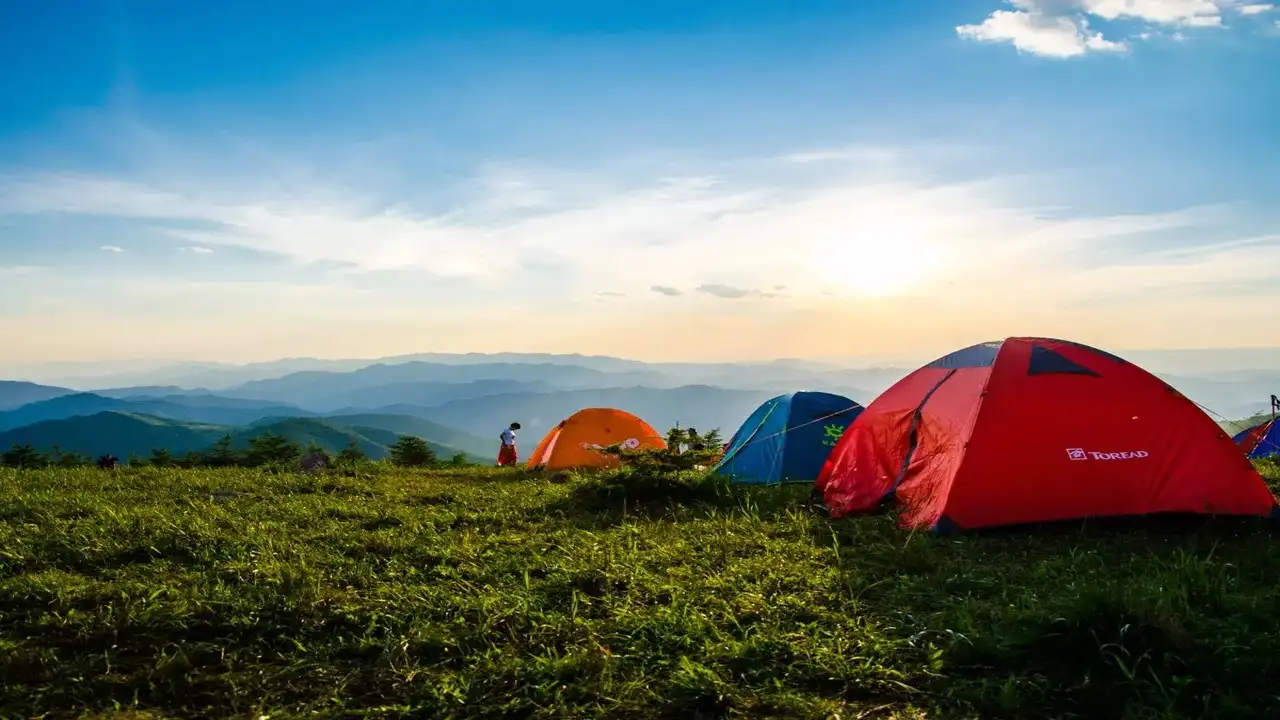
Selecting the right campsite can significantly enhance your camping experience. Poor site selection is one of the most common causes of discomfort during early camping trips.
Consider factors like location, amenities, safety, and accessibility, (restroom facilities, safe hiking trails, picnic tables, and scenic views).
Evaluate the site’s closeness to attractions and potential emergency facilities. Research and read online reviews to ascertain other campers’ experiences and to ensure the campsite matches your interests and expectations.
When selecting a campsite, beginners should prioritise:
- Safe and comfortable ground suitable for sleeping
- Natural wind breaks such as trees or terrain
- Clear boundaries for tent placement
- Accessibility to water or restrooms
Tip: Visual appeal is often misleading. Flat ground, drainage, and shelter from wind matter more than scenery.
Essential Gear for Beginner Campers
Proper gear can transform your camping experience from good to great. Carrying too much creates clutter, confusion, and unnecessary effort.
A beginner’s gear list should focus on essentials:
- A tent with adequate ventilation and rain protection
- Comfortable sleeping bag rated for nighttime temperatures
- A sleeping pad for insulation and comfort
- A basic first aid kit, including essential medications
- Adequate lighting, such as lanterns, flashlights, and headlamps (hand-free use)
- Appropriate clothing for varying weather conditions, including layers, rain jackets, and extra blankets
- Camp chairs and tables for comfort and convenience
- Sufficient water containers
Create an organised checklist well in advance to ensure all necessary gear is accounted for and in good condition.
Tip: Gear should be chosen based on conditions and not trends.
Test Equipment Before Departure
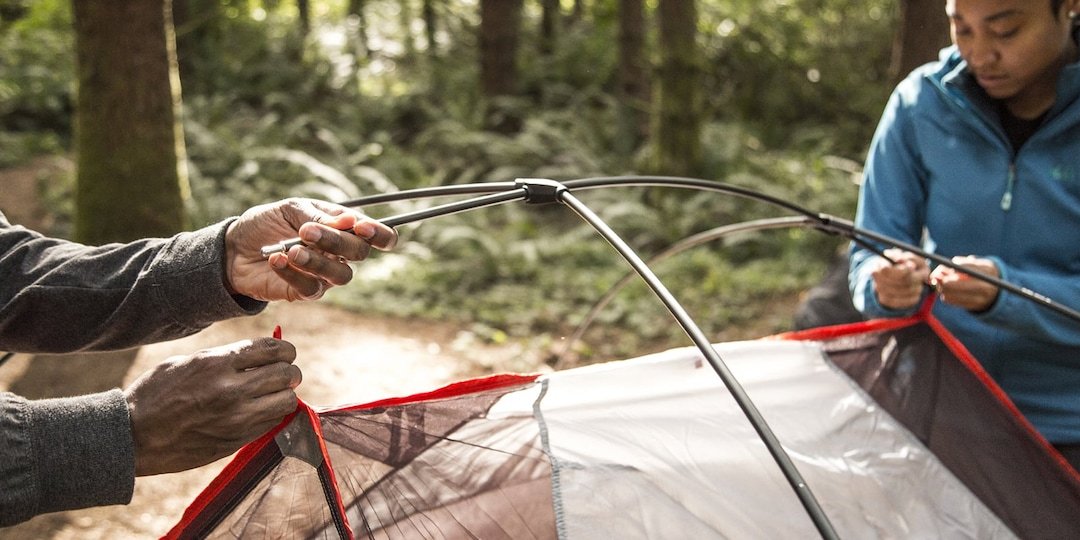
Many camping frustrations happen because the equipment is unfamiliar. Setting up a tent for the first time at the campsite often leads to delays and mistakes.
So, before leaving:
- Practice setting up a tent at home
- Check poles, zippers, and seams
- Practice packing everything back into storage bags
- Confirm nothing essential is missing
- Familiarise yourself with the gear
This reduces stress and prepares you to avoid delays and mistakes once outdoors.
Plan Clothing Based on Weather Changes
Daytime comfort does not guarantee nighttime warmth. Temperatures often drop significantly after sunset, even in mild climates.
Layering is the most effective approach:
- A base layer that manages moisture
- An insulating layer for warmth
- An outer layer for wind or rain protection
Layering keeps you warm and dry, preventing sweat buildup and allowing you to easily adjust to changing weather conditions.
Preparing Meals on Camping Trips
Outdoor activities often increase appetite, and delicious, nutritious meals can greatly enhance your camping experience. Plan simple, yet satisfying meals that minimise preparation time and cleanup.
Beginner-friendly food planning includes:
- Familiar meals with minimal preparation
- Ingredients that store well without refrigeration
- Snacks that require no cooking
Easy options include:
- Sandwiches and wraps for quick lunches
- Pre-marinated meats or vegetables for grilling
- Pasta dishes and salads prepared in advance
- Burgers, hot dogs, and foil-wrapped dinners cooked over a campfire
- Snacks, fresh fruits, chocolate bars, and plenty of water
Cooking outdoors should be simple and efficient meals reducing time spent managing equipment and cleaning.
Effective beginner strategies include:
- One-pot meals
- Limited utensils
- Easy cleanup methods
Tip: Prepping ingredients or meals at home and bringing ready-to-cook foods can significantly reduce stress at the campsite.
Set Up Camp Before Nightfall
Setting up a camp before nightfall reduces stress and gives you more room to navigate the area and prepare for adventurous activities.
Arriving early allows time to:
- Choose the best tent location
- Set up shelter calmly
- Organise essential items
Weather Safety Tips
Weather conditions can remarkably impact your camping enjoyment. Regularly monitoring forecasts, prepare you for changes and make your trip enjoyable and adventurous.
Essential weather safety includes:
- Packing waterproof gear, rain jackets, and tarps
- Creating contingency plans for adverse weather, such as indoor or sheltered activities
- Preparing for temperature changes with layered clothing
- Bring sunscreen, sunglasses, hats and insect repellent for sun and bug protection
Safety Considerations During Camping Trips
Safety should always be prioritised to ensure a worry-free camping experience. Nighttime noise, wind, insects, and animal sounds can impact fear on a first-time camper.
Safety rules can include:
- Wildlife safety and securing food properly to prevent unwanted animal visits
- Fire safety rules and proper extinguishing methods
- Emergency procedures and staying within designated areas
- Maintaining an updated map of the campsite and marking emergency exits
- Ensuring communication devices are working properly
Practice Responsible Camping Behaviour
Most of the camping sites are in shared and often protected environments. Responsible behaviour preserves these spaces and improves the experience for others.
Basic principles include:
- Ensuring all your used waste products are packed out and the surroundings are clean and neat
- Avoiding damage to the vegetation in the area
- Avoiding noise pollution by ensuring the noise levels are low
- Observing wildlife from a distance and respecting their environment
Tips for Making Beginner Camping Trips Stress-Free
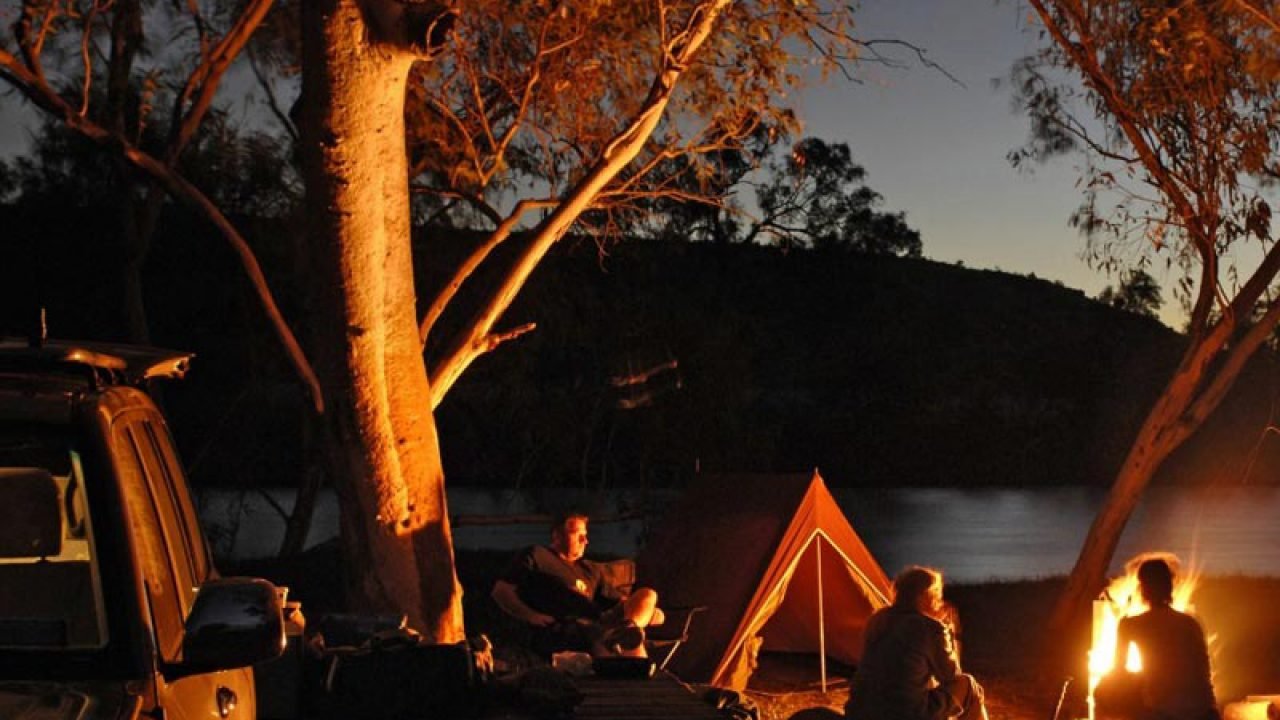
Beginners’ camping trips are meant to be relaxing, adventurous and enjoyable.
To minimise stress and have an enjoyable experience, consider these practical travel tips:
- Begin packing and organising early to avoid last-minute panic
- Clearly ensure the gear equipment is necessary and working
- Set realistic expectations and allow extra time for adventurous activities to make the trip enjoyable (hiking,for instance)
- Begin camping close to home to reduce the pressure of getting everything right and allow resilience
- Maintain flexibility in your itinerary to adapt easily to changing situations
Final Thought
Camping trips are enjoyable, adventurous and a moment to escape city life and bond with nature. For a beginner camper, the goal is not perfection, it is to understand how to live simply outdoors, even for a short time.
Gather your gear, choose your perfect campsite, and embark on your first-ever camping adventure today!