
Unique Travel: Experiences That Go Beyond Destinations
 For a long time, I travelled as most people do. I followed guidebooks, visited famous landmarks, collected stamps and photos, but rarely pausing long enough to feel grounded in a place.
My trips looked great on passport stamps, but the experience felt distant and the memories faded faster than they should have. It wasn’t until I slowed down and leaned into unique travel that my journeys began to feel personal, memorable, and adventurous.
Unique travel is not about being different for the sake of it. It’s about choosing to experience a place on its own terms rather than rushing through it with expectations shaped elsewhere.
It’s about connection, discomfort, curiosity, and stories that can’t be copied from a travel plan.
What Unique Travel Really Means
The idea of unique travel is often misunderstood with many assuming that it requires expensive experience, (luxury or exclusive).
Some of my most meaningful trips were simple, but what made them special was that I was present. Unique travel happens when; I stay longer in one place instead of rushing, learn from locals rather than observing from a distance and live in the moment.
Unique travel changed how I see destinations. Cities stopped feeling like checklists and started feeling like conversations.
Choosing Experiences Over Destinations
I used to prioritise my trips based on cities I recognised and famous landmarks. But one of the biggest shifts was prioritising what I would experience rather than the destination.
A lesser-known town with strong cultural roots often gave me more experience than a famous capital ever could.
By focusing entirely on experiences rather than locations, travel became less about comparison and more about presence.
Cooking with locals, learning how daily life flows, or listening to stories that never appear in guidebooks created a sense of depth I had been missing.
Cultural Connections are the Core of Unique Travel

Culture is the heartbeat of unique travel, it is not something to be observed from a distance.
Whether it’s attending a local ceremony, learning basic phrases of a new language, or respecting unspoken social rules, these small actions create real connections.
The National Geographic Travel says that travellers who engage deeply with local culture tend to form stronger emotional memories of their journeys.
That idea reflects my own experience. The trips I remember most are the ones that I felt welcomed into everyday life, even briefly.
Solo Traveling
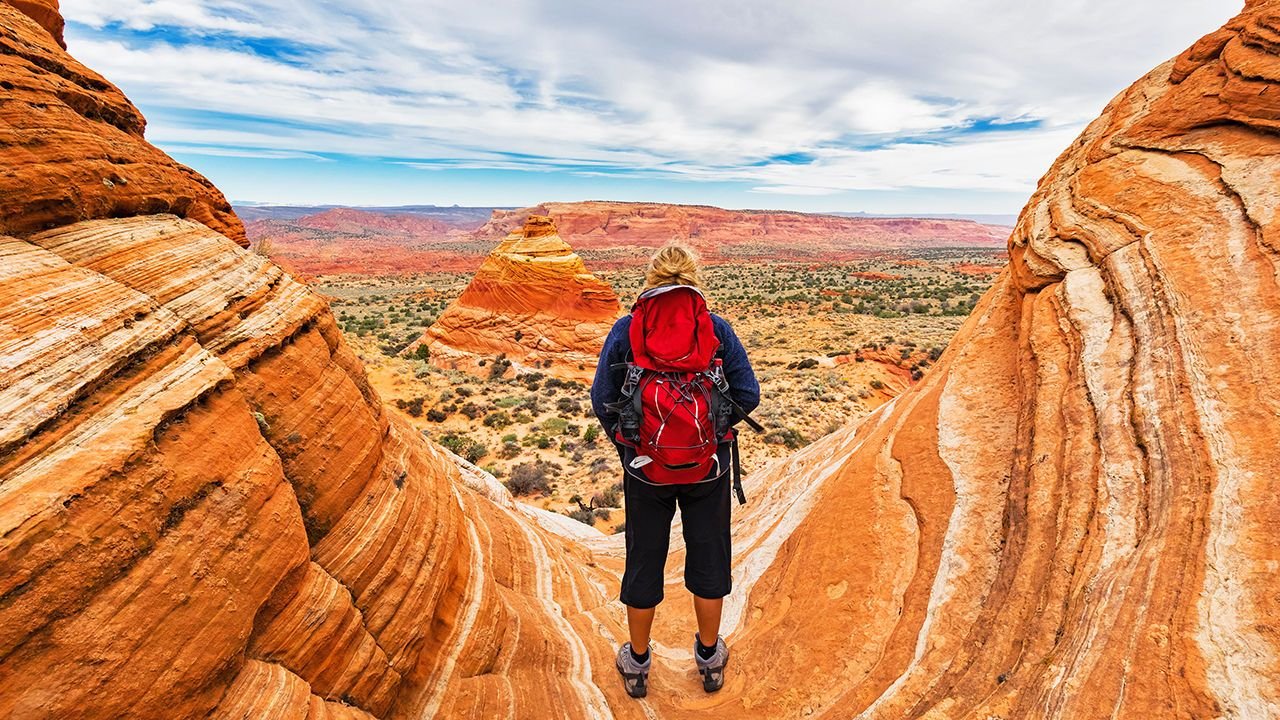
When I travel alone, there is confidence and a sense of finding myself. In my journey there are no shared opinions or companionship, every choice belongs to me.
Solo travel has taught me independence,(I decide when to wake up, when to navigate unfamiliar cities, and when to sit quietly in a café without speaking to anyone). I became more observant, more open, and more adaptable.
In that silence, I hear myself clearly. I notice what excites me, what scares me, and what no longer matters in my journey and life.
Each small step builds confidence that stays with me long after the journey ends. Every journey reflects growth in my personal and professional life.
Unique Travel is About Responsibility
Unique travel includes making thoughtful decisions about how you spend and how your presence impacts a place.
As travellers, we become conscious of how tourism supports local economies and preserves cultural heritage. Supporting small businesses, hiring local guides, and respecting traditions are simple steps that make a difference.
Living Freely

Not every trip needs perfect weather or structured planning. Some of my favourite travel stories came from missed buses, language barriers, or sudden changes of plan.
Unique travel thrives in imperfection. When I stopped trying to control every outcome, I started enjoying the journey itself and travel became more appreciative.
Destinations that Encourage Unique Travel
Unique travel is all about destination that encourages engagement and amusement.
Smaller cities and lesser-known regions often offer more room for connection. Without constant crowds, interactions feel less rushed and there is time to observe, listen, and participate.
Community-driven experiences and diverse destinations offer a unique approach to travel and tell stories that matter.
Why Unique Travel is Important
What separates unique travel from ordinary trips is not by how intense or adventurous the activities are, but by how deeply the experiences dwell in us.
These journeys dwell because they are rooted in interaction rather than consumption.
I may forget the exact route I took or the name of a café, but I remember how a place felt, the tone of conversations, the pace of daily life and unplanned but yet perfectly timed moments.
Travel becomes meaningful when it leaves space for interpretation and unique travel allows that space to exist.
How to Plan for Unique Travel
Planning a unique trip experience doesn’t have to be stressful, expensive or excessively structured.
By embracing freestyle travel, and allowing spontaneous connections with locals one tends to discover hidden gems and enjoy the adventure.
I still research, but I leave room for discovery. I read travel reflections from platforms like BBC Travel (Our Unique World) which focuses on deeper narratives and cultural insight rather than major landscape tourism.
Final Thoughts
A unique travel experience doesn’t fade once the trip ends, it lingers longer. It shapes how one sees the world and experiences its beauty.
The journey teaches patience, empathy, curiosity and interaction with the locals.
Unique travel is about moments, not landmarks. Why not try to focus on feeling and living the moment rather than observing?